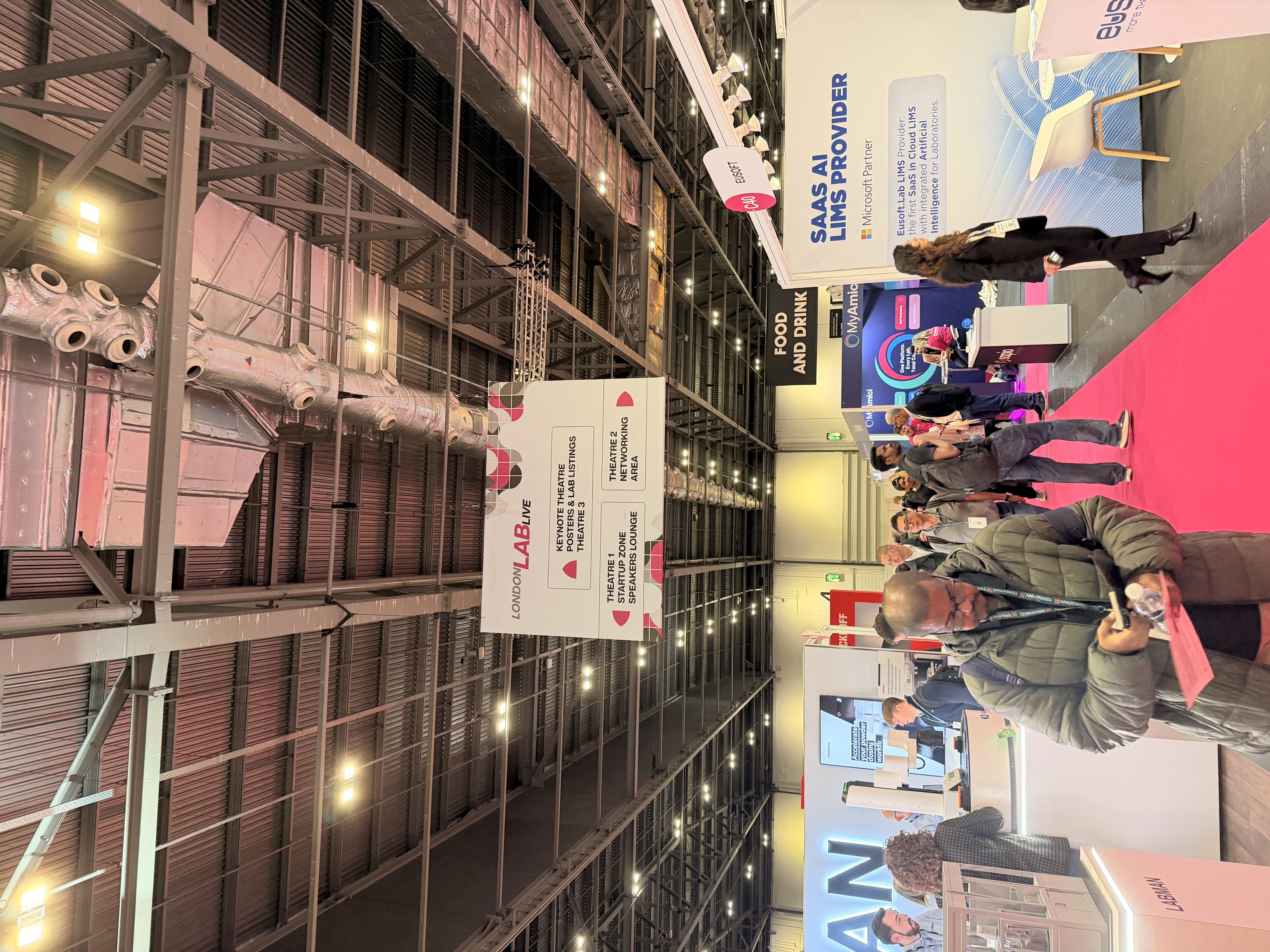
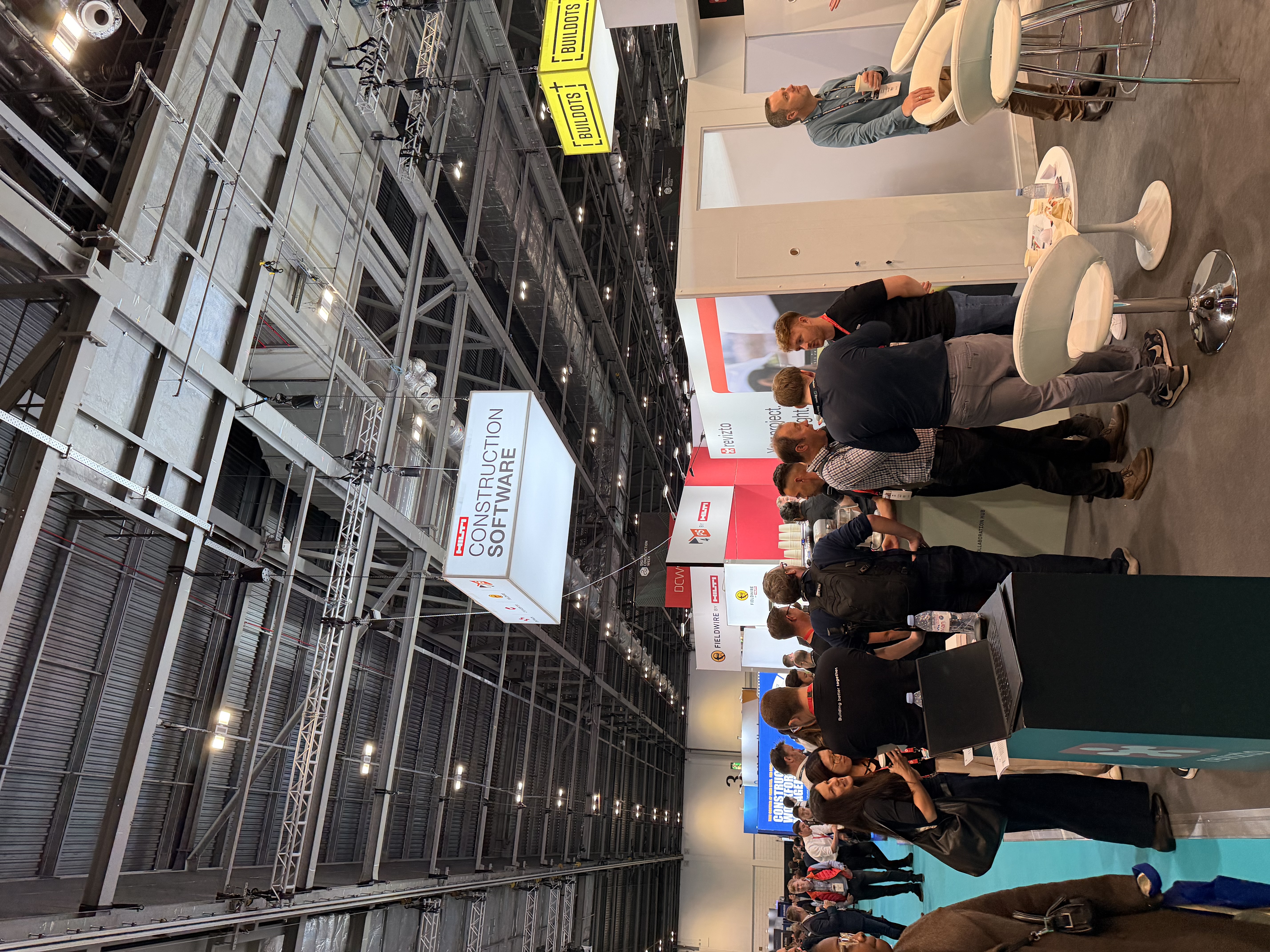
Last week I walked into ExCeL London expecting hard hats and heavy machinery. I walked out thinking about robots, AI agents, and software platforms that could manage an entire construction project from a single screen. Digital Construction Week 2026 was not what I expected, and that's exactly the point.
The construction industry has a reputation for being slow to adopt technology. But after spending two days at this event, I can tell you: that reputation is about to expire. What I saw wasn't 'future talk.' It was working technology, live demos, and companies already using these tools on real sites across the UK and beyond.
Think of it like upgrading from a paper map to Google Maps: Construction has been navigating with spreadsheets, manual site reports, and phone calls to check progress. The tools I saw at Digital Construction Week are the Google Maps moment: real-time data, AI-driven decisions, and systems that warn you before problems become expensive.
•AI Agents: The Invisible Site Manager
The biggest theme at the event wasn't a product, it was a concept: AI agents managing workflows that used to require entire teams. A construction project has 200 tasks, 15 subcontractors, and a deadline that moves every time it rains. Traditionally, a project manager juggles all of this with spreadsheets, WhatsApp groups, and a lot of hope.
An AI agent does it differently. It monitors every task in real time, flags delays before they cascade, automatically reschedules dependent work, and sends updates to the right people without anyone asking. Multiple companies at the event were demonstrating AI-powered platforms that track project timelines, predict cost overruns weeks in advance, and allocate resources based on actual site progress rather than the original plan that went out of date on day two.
What struck me most: The same AI agent logic, monitor, predict, act, applies to logistics, healthcare scheduling, retail operations, any industry where complex workflows need to stay on track without a human checking every single step.
•Team Management Platforms: One Screen, Entire Project
Several exhibitors showcased platforms that consolidate everything, site reports, safety inspections, material deliveries, worker schedules, compliance documents, into a single dashboard. No more switching between five apps and two WhatsApp groups to figure out if the concrete pour is on schedule.
The platforms I saw could detect when a safety inspection is overdue and automatically notify the responsible team, track which materials have been delivered versus ordered and flag shortages before they cause delays, and give site managers a real-time view of who is working where. For a company owner, this is the difference between finding out about a problem on Friday afternoon when it's too late, and getting an alert on Tuesday morning when you can still fix it.
•The Robots Have Arrived, And They're Not What You Think
This was the part that genuinely surprised me. Humanoid robots are no longer prototypes sitting in a lab. Companies like Boston Dynamics and Unitree were showcasing machines designed to work alongside humans on construction sites. The Unitree G1, a humanoid robot, two legs, two arms, roughly human-sized, is designed to navigate uneven terrain, carry materials, and perform repetitive physical tasks. Boston Dynamics was demonstrating how their machines handle site inspections, 3D scanning of spaces, and hazard detection in areas too dangerous for people.
The key insight: These robots aren't replacing construction workers. They're taking on tasks that are dangerous, repetitive, or physically punishing, carrying heavy loads up scaffolding, inspecting unstable structures, working in extreme heat or confined spaces. Think of it like a dishwasher in a restaurant kitchen. The chef didn't lose their job when the dishwasher arrived. They just stopped spending two hours scrubbing plates and spent that time cooking better food.
•AI + Hardware: Where It All Connects
The most exciting part of the event was seeing how software and hardware are merging. A robot scans a building site and feeds data into an AI platform. The AI detects that a structural element is 3cm off specification. It automatically flags the issue, notifies the engineer, pauses dependent tasks, and recalculates the project timeline, all before the site manager has finished their morning coffee.
This is the real transformation. Not AI or robots separately, but AI agents orchestrating physical and digital workflows simultaneously. The construction site becomes a connected system where every piece, human, machine, software, communicates and adapts in real time.
•Why This Matters Beyond Construction
If you're reading this thinking 'I don't work in construction, so this isn't relevant to me', I'd argue the opposite. Construction is one of the most complex, unpredictable, and physically demanding industries in the world. If AI agents and robotics can solve problems here, they can solve them anywhere.
The patterns I saw at Digital Construction Week are the same patterns we implement at KMCP Solutions for businesses across sectors: AI that monitors your operations and acts before problems escalate, centralised platforms that give you one view of everything, and intelligent automation that handles the repetitive work so your team focuses on what actually matters. The only difference is the setting.
“Digital Construction Week 2026 wasn't really about construction. It was about what happens when an industry that has spent decades sticking to the same routines, the same paperwork, the same way of running a project, finally stops to question whether any of it still has to be that way. For the first time, people across the sector are looking at the manual processes, the late-night spreadsheets, and the 'this is just how we do it' habits, and asking a simple question: could technology make this faster, safer, or less stressful? That shift, from defending the old way to genuinely rethinking it, is what makes this moment different. At KMCP Solutions, that's exactly the question we help businesses answer, whatever their sector, whatever their challenge.
KEKerem Ege PaktenFounder & CEO, KMCP Solutions