Services / What we do
Internal Tools & Dashboards
Give your team one clear place to work.
Replace scattered operational screens and spreadsheet workarounds with tools designed for the people running your business.

Service overview
Make the everyday work easier to see and complete.
Internal tools are most valuable when they shorten a real task: reviewing a request, finding a record, assigning work or resolving an exception. We design around these jobs, using existing data where possible and making permissions, changes and responsibilities visible.
What we can help with
The capabilities behind the work.
Pick a capability to see the ready-made solutions where it is already running.
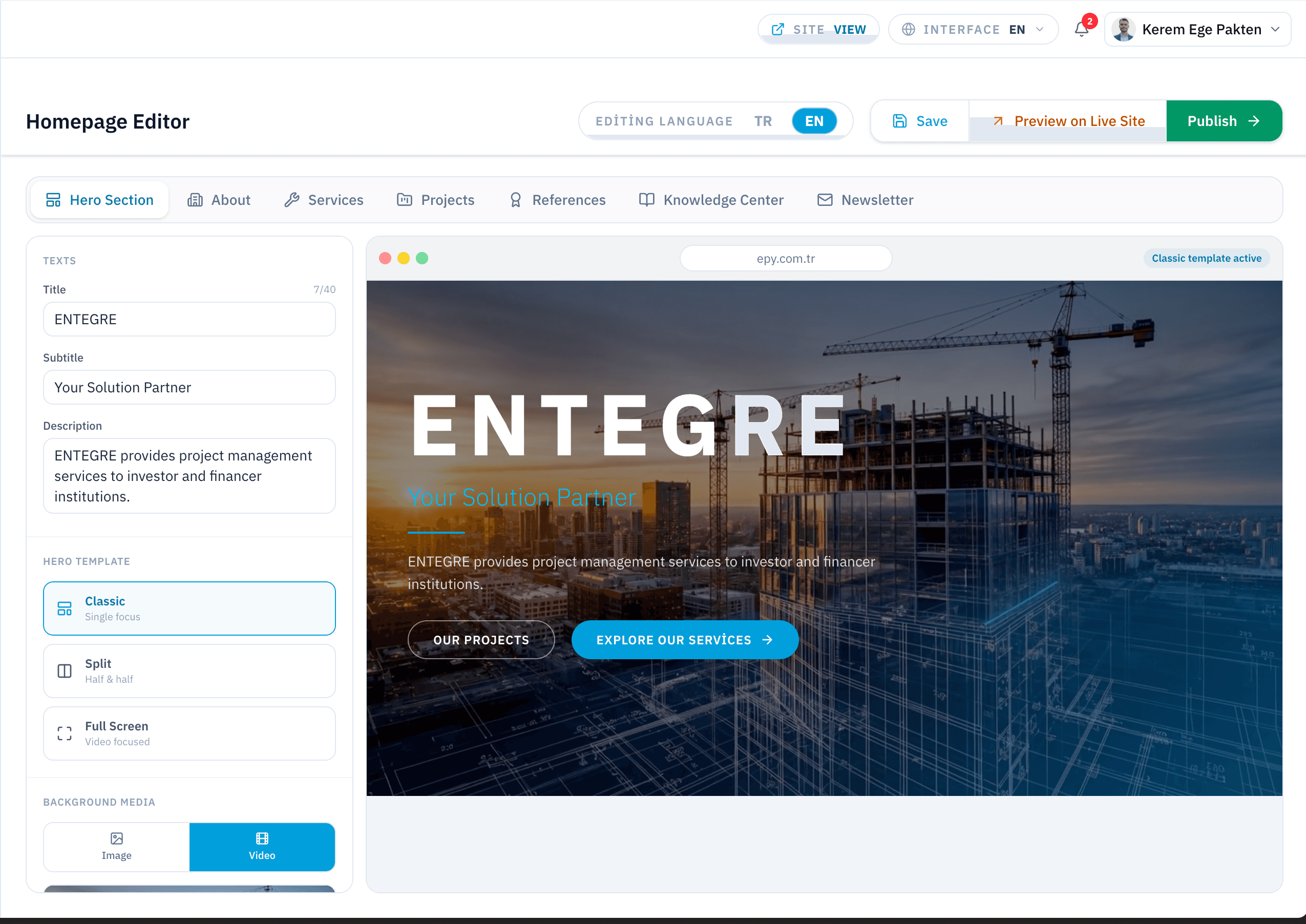
EPY: website & platform
Client projectCorporate website & fully custom management platform
Read the case studyCreate focused screens for managing customers, projects, products or requests. Provide search, filtering and useful record histories without overwhelming each role.
Show the queues, workloads and exceptions a team needs to act on. Connect summary figures to the underlying records and make refresh timing clear.
Built to orderBring documents, proposed changes and requests into a consistent review process. Record the reviewer, decision and reason so another person can understand the outcome.
Define what each team can view, change and export. Enforce access in the application’s data layer and test boundaries between users and organisations.
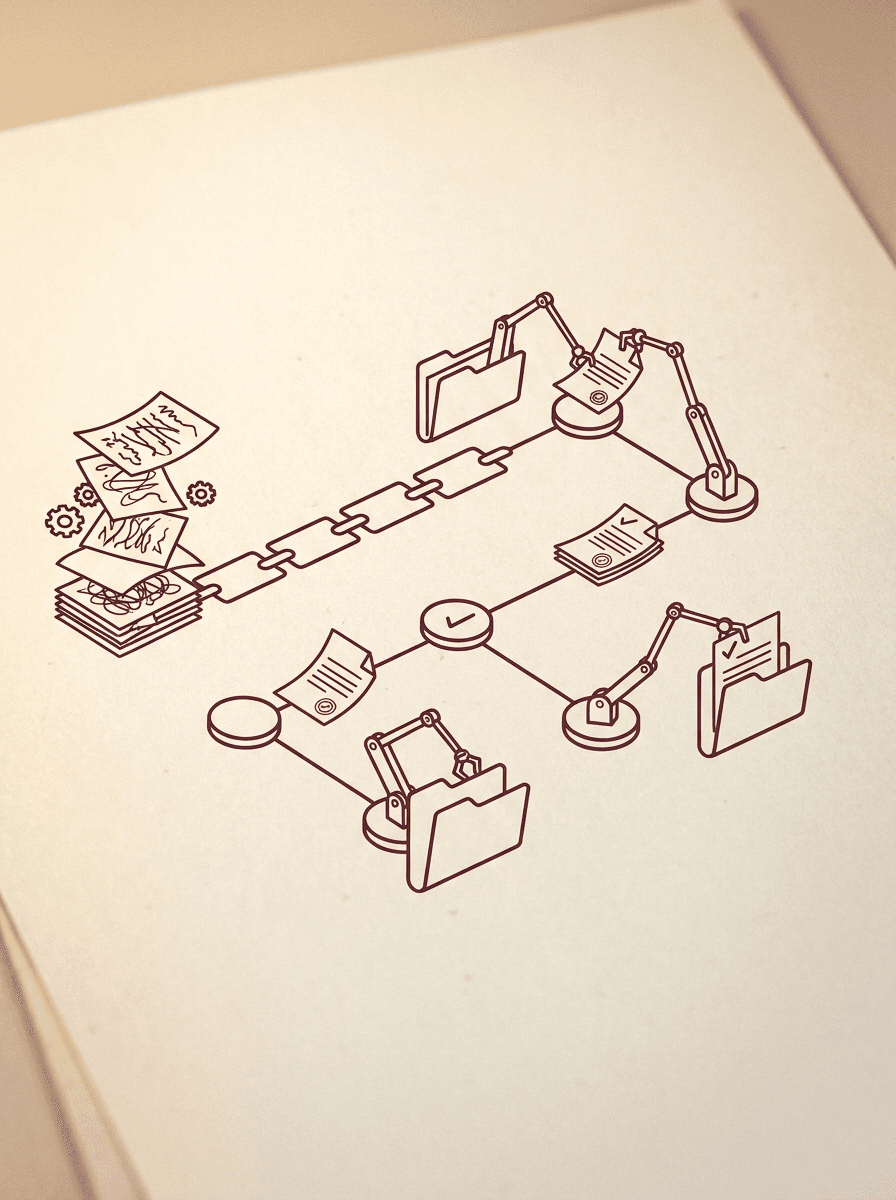
Built to orderSupport spreadsheet imports, validation and controlled batch changes. Preview the impact, surface errors and plan recovery before applying large updates.
Built to orderGive teams reusable reports and controlled exports with agreed definitions. Avoid repeatedly assembling the same information from several spreadsheets.

Built around your context
The details matter.
A few decisions to agree together before delivery begins.
Design sessions include the people who will use the tool.
Sensitive records and export permissions need explicit boundaries.
Audit history should explain meaningful changes without collecting unnecessary data.


A few useful answers
Before we begin.
Every project starts with its own context. Here are the questions we hear first.
Can a tool work on top of our existing database?
Potentially. We review the data model, access controls and ownership first. We use supported interfaces or carefully scoped data access so a new tool does not bypass the rules of an existing system.
Can managers and staff have different views?
Yes. We map roles to tasks and data, then implement the appropriate screens and server-side access checks.
Can you move our spreadsheet process into a tool?
Yes. We first identify the rules hidden in the spreadsheet, clean and validate the data, and agree how the team will transition without losing essential records.
Start a conversation
What could work better in your business?
Tell us where the work gets stuck. We’ll help you identify a useful starting point and the right scope for it.